Nebraska Wedding Trends Experts Say Are Worth Rethinking
From non-traditional wedding dates to reception pacing and ceremony traditions, Nebraska wedding professionals share which expectations couples may want to reconsider.
October 4, 2026
Wedding trends can offer plenty of inspiration, but the best celebrations rarely come from following every tradition simply because it’s expected. Sometimes creating a wedding that feels more personal means questioning the assumptions couples have been handed in the first place.
We asked Nebraska wedding professionals which wedding trends and traditions they’d encourage couples to reconsider, and what they suggest doing instead.
Look Beyond Saturday for Your Wedding Date
Saturday may be the traditional choice for a wedding, but Katelyn Sale of Wilderness Ridge Club & Resort encourages couples to keep an open mind when choosing their date. “I'd love to see couples rethink the idea that a wedding has to happen on a Saturday,” Sale says. “Most couples start their search with a Saturday in mind, then find their favorite venue, photographer or band already booked a year out.”
Looking at a Friday or Sunday can suddenly make sought-after venues and vendors available again and may come with financial advantages as well. “A Friday or Sunday often opens those same options back up and usually at a better price,” she says. That savings can then be redirected toward the parts of the celebration guests are most likely to experience and remember, whether that means upgrading the menu, extending the bar or investing more in entertainment.
While couples may worry about asking guests to attend on a less traditional day, Sale says they often adapt more easily than expected. “A Friday wedding has a relaxed, end-of-the-week vibe, and a Sunday on a holiday weekend works like a Saturday for most people.” Her advice is simple: “Pick the date that gets you the wedding you want, not the day of the week you assumed you needed.”

Keep the Reception Moving
For Jonathon Goodro of Jonathon Goodro Film, trends can be an excellent source of inspiration until couples begin treating them like a required checklist. “I’d encourage couples to be careful about following any trend so closely that it starts to overshadow what actually makes their wedding feel like their own,” Goodro says. “Trends should give you ideas, not give you a checklist.”
One area he’d particularly like couples to reconsider is the expectation that every reception moment needs its own production. Wedding-party introductions can be fun when they genuinely reflect the personalities involved, but choreographed entrances, dances and celebratory drinks can start to feel forced when everyone feels obligated to create a moment. “When everyone feels like they have to come up with a bit simply because that’s what they’ve seen at other weddings, it can start to feel forced and, more importantly, it can slow the evening down.”
He applies the same thinking to reception toasts. After filming more than 200 weddings over the past decade, Goodro says the speeches that stand out tend to be concise, personal and intentional. Several lengthy toasts can change the energy of the evening, pushing dinner and dancing later. “Dinner takes longer, the dance floor gets pushed later, and the overall pacing of the evening suffers,” he says.
For longer stories, Goodro suggests the rehearsal dinner, where the setting is often more intimate, then keeping wedding-night remarks more focused. “At the end of the day, I think the best weddings have a sense of rhythm to them,” he says. “Take what you love, leave what you don’t, and pay attention to the things that make your relationship and your people unique.”

Reimagine the Wedding-Party Processional
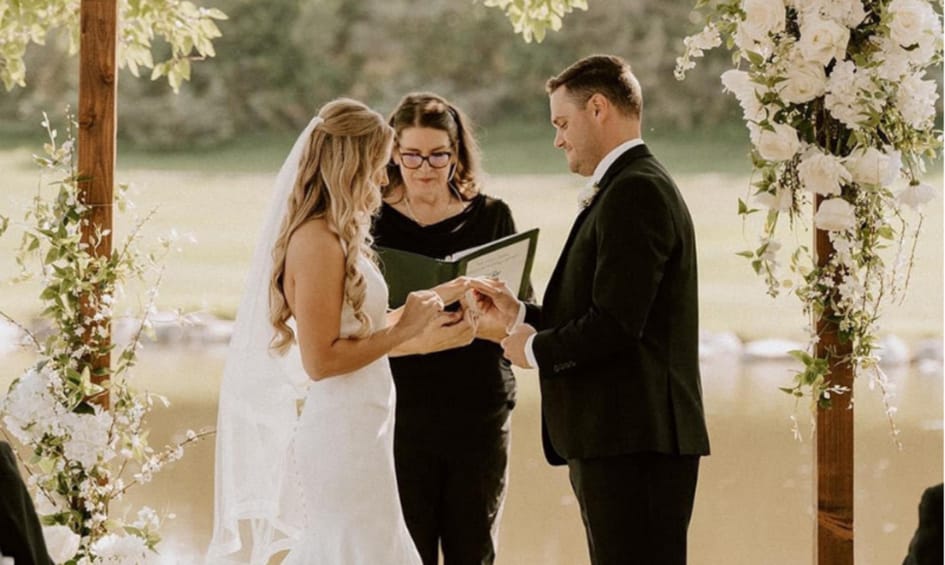
Tradition and personalization don’t have to be opposites. Carol Lynne of I Tie the Knots Weddings would love to see couples rethink the conventional wedding-party processional, particularly the expectation that bridesmaids and groomsmen need to walk down the aisle in pairs. “Your wedding can honor the traditions you grew up with while still making room for something that feels distinctly you,” Lynne says.
Instead of pairing attendants, she suggests giving each member of the wedding party an individual entrance. The officiant might take their place first, followed by the groom escorting parents to their seats. Then the groomsmen can enter individually, followed by each bridesmaid. “Suddenly, every member of the wedding party gets their own moment to be seen and celebrated,” Lynne says.
The change is subtle, but it can make the processional feel more intentional while eliminating the logistical pressure of pairing everyone together, particularly when the wedding party has an uneven number of attendants. “Rather than trying to make the numbers work, embrace them!” For Lynne, it’s another reminder that traditions should serve the couple rather than dictate the celebration. “Your wedding doesn’t have to follow a formula,” she says. “Keep the traditions that have meaning to you, let go of the ones you’re only following because you feel like you’re supposed to, and create a celebration that reflects your era.”
Turn the Wedding Favor Into an Experience
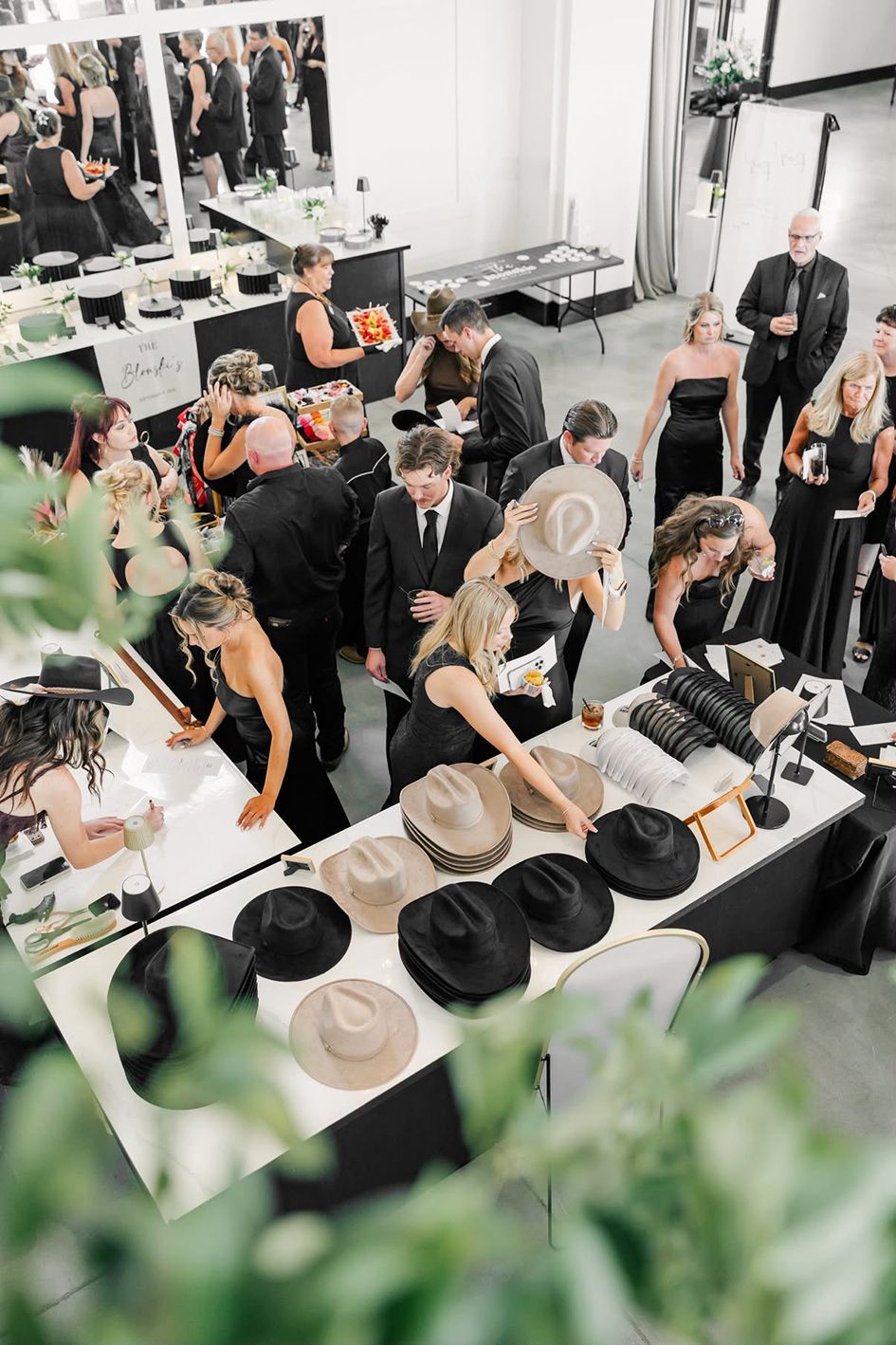
For Lindsey Thomson of Golden Road Boutique, couples looking for a memorable alternative to a traditional wedding favor can consider something guests get to experience and personalize during the celebration.
“Give your guests something they’ll talk about for years to come,” Thomson says.
Through Golden Road Hat Bar, guests can choose their own hat style, from wide-brim ranchers and traditional cowboy hats to iron-branded trucker hats, then customize it with details such as leather or cowhide bands, vintage fabrics, ribbons, feathers, pins, scarves and branding.
“It’s more than just a hat,” Thomson says. “It’s a fun experience, a unique wedding favor and a special keepsake your guests can enjoy long after your big day.”
Rather than giving guests something simply because favors are expected, the idea turns the favor itself into part of the entertainment and gives guests a personalized reminder of the celebration.
Ultimately, rethinking a wedding trend doesn’t mean abandoning tradition altogether. It means deciding which customs, timelines and expectations actually contribute something meaningful to the celebration and giving yourself permission to leave the rest behind.