We've hit an apex of wedding planning.
Aesthetics, guest counts, preferred venues ebb and flow, sure, but there's no question our "big days" are more produced than ever—and that modern weddings require more coordination and expertise than ever before. Vendors put in umpteen hours to deliver an entirely organized experience, often with exceptional personalization, delighting couples and their loved ones worldwide. But—with great responsibility comes great, unending pressure (that's the phrase, right?)
The result is undeniably idyllic, but the means of getting there have become—well—meaner and meaner. The wake of COVID-19 disrupted so many industries, including the wedding industry, in profound ways. In 2020, vendors and venues had to get creative to infuse some cash flow into their businesses, and when the world began to "open up" in 2021, those creative endeavors bumped up against all those postponed weddings.
Suddenly, new inquiries from couples who emerged from the pandemic with a tried-and-true partner and a shiny new ring were flooding the inboxes (I confess, my husband and I were amongst these fervent young people desperate to have a "normal" wedding planning experience). Calendars filled overnight and weekends disappeared as vendors found themselves balancing postponed events with these new clients. The wedding landscape was changing at a clip heretofore unseen, and vendors were absorbing the shock.
For a time, the industry's exhaustion seemed understandable—a temporary consequence of extraordinary (unprecedented!) circumstances. But as the backlog faded and wedding volumes normalized, many professionals found that the demands hadn't disappeared without a trace. Instead, they gave way to new expectations. Planners, florists, and beyond were the mystical magic-makers that seemed unattainable during lockdown. Couples sought more communication, more transparency and more personalization than ever before, while vendors were left navigating the pressure.
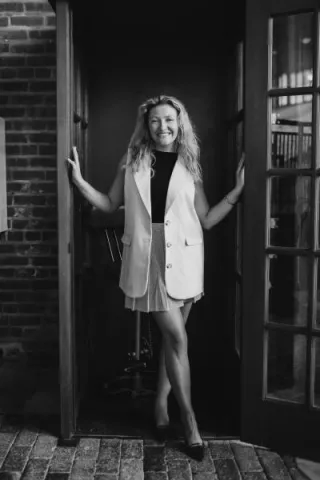
Emily Loeppke, of Emily Loeppke Wedding Photography (formerly Anna Delores Photography) and a California Wedding Day Best of 2026 winner, experienced that shift firsthand. "The years of 2021 and 2022 were extraordinarily busy," she says. "Once that rush faded, it's been quite erratic in terms of being able to predict bookings, income and workload." The whiplash is real. She notes that, pre-2020, the work was steady, easier to track. Those who'd been in the industry for some time had time-honored processes critical to their businesses. Methods that had to adapt or die during COVID. In the years since, wedding professionals have had to draft a new normal in a continuously un-normal atmosphere. "In my experience, couples planning their weddings have seemed to swing toward extremes: either they go all out in hosting a BIG party with extended family and lots of friends, or they opt for a very small, understated gathering that more closely resembles an elopement than a full-blown traditional wedding."
Demand for attention to detail, personalization and communication is soaring. Quality, of course, regardless of quantity. Because no matter the guest count, the concept of a "dream wedding" persists (direct translation: executional perfection). With all this in mind, it's no wonder wedding vendor burnout has become an increasingly common conversation throughout the industry. "I've absolutely experienced burnout several times over the course of my career as a wedding photographer," Loeppke says. But the shape of that burn pattern changes. "It's come in the form of too many clients (in the case of the post-2020 wedding boom), or from stress over not enough clients (in the inconsistency of bookings since 2023)." And for anyone who muscled their way through the 2008 recession or the intensity of the pandemic, it will come as no surprise that both too many and too few clients can cause equal stress.
The proverbial cherry on top is another common theme amongst vendors. "I've also experienced burnout from the refrain that is so familiar to many wedding professionals in particular: trying to 'do it all' in my business," explains Loeppke. "Filling several roles myself, and even the exhaustion that can come from managing a small team while also ensuring clients are taken care of." In other words, the "magic" requires an exceptional level of resilience and critical thinking. Even if you remove the volume problem, the invisible labor is the silent killer.